Research
Biology, from its Greek roots, is the study of life. Our interest in it is driven by three questions: what do things look like, how do they function, and why are they the way they are?
These questions show up most clearly in the diversity of forms found across the natural world. Working at the interface of physics and biology is ambitious, and that is what makes it exciting. Our research draws on elasticity, mechanics, statistical mechanics, stochastic processes, geometry and topology, and increasingly on artificial intelligence, both as a tool for science and as a partner in how students learn.
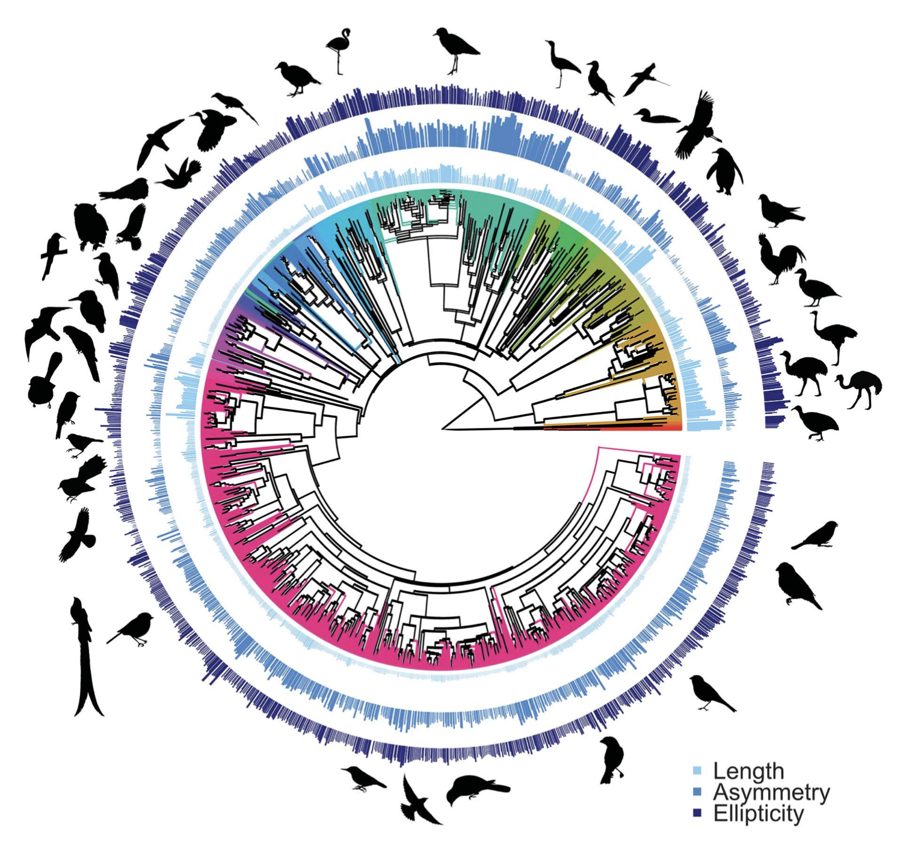
Biological physics
How living things get their shape: eggs, ribbons, shells, spores, cell sheets, DNA and RNA.
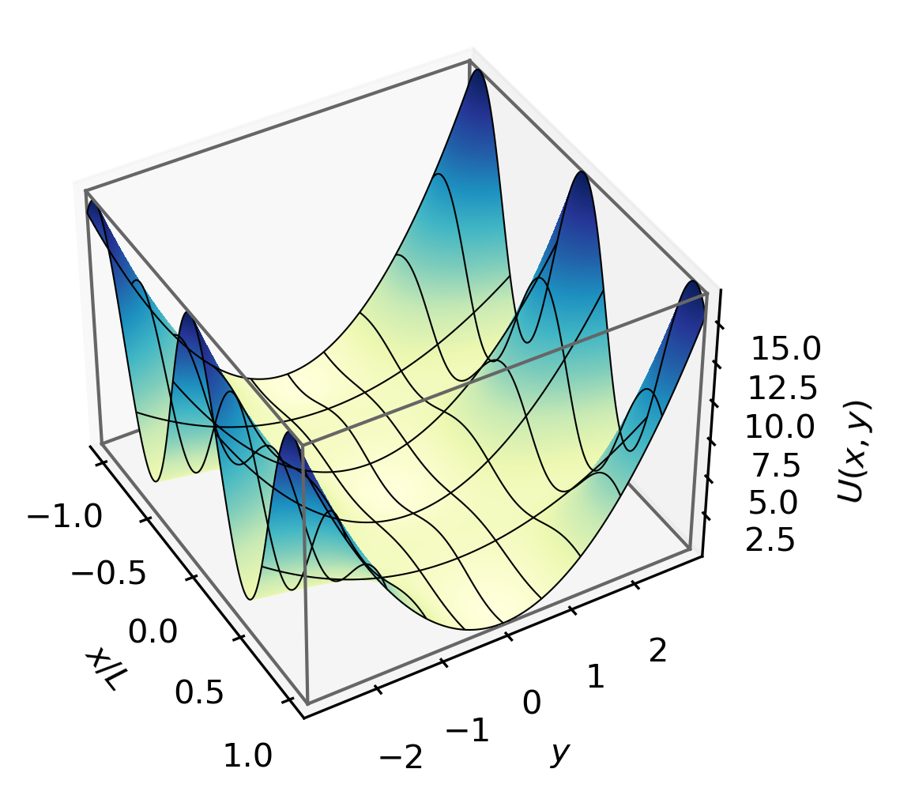
Statistical physics and complex systems
Systems far from equilibrium: Brownian motion, first passage, fluctuation theorems, and the control of complex networks.
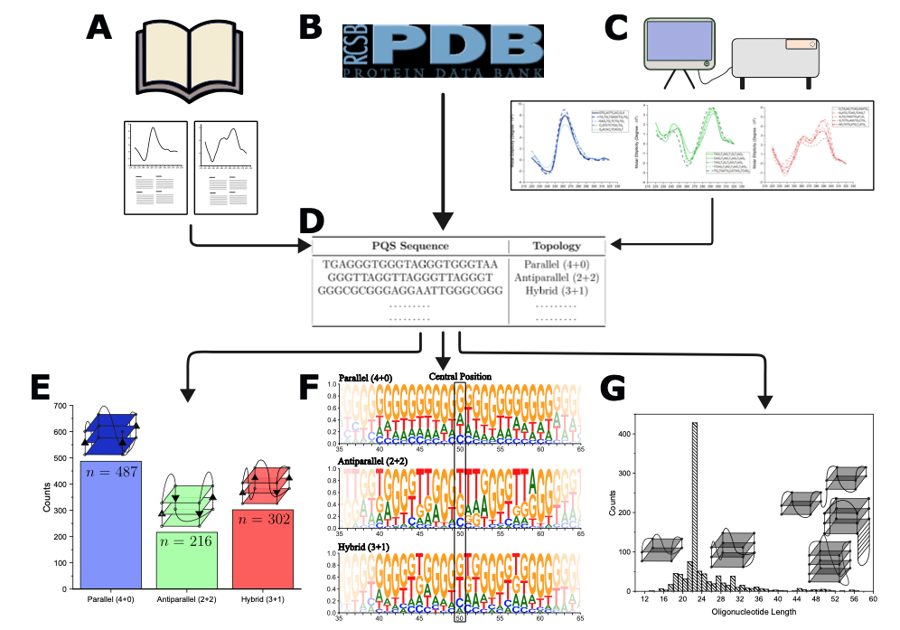
AI for science and education
Machine learning for DNA folding, physics-informed AI, AI agents for science, and AI that helps students learn.
Physics of living and complex systems
Morphology of living systems
We look for physical and biological principles that explain why certain forms arise in nature, how they function, and how they are shaped over evolutionary time: bird eggs, ribbons, elastic shells and growing cell sheets.
Physics of non-equilibrium complex systems
A living system is the archetypal non-equilibrium system. We study Brownian motion and diffusion, mean first passage times, fluctuation theorems, and the control of complex networks.
Collective behaviour in nature
How do patterns at the scale of a population arise from interacting individuals? We model foraging ants, honeybee swarms that self-assemble, and epithelial cells that migrate together.
AI for science and education
AI for science
We combine physical models with machine learning, topology and geometry. Topology-enhanced models represent and learn the structure of nucleic acids such as double-stranded DNA and G-quadruplexes, as in G4ShapePredictor and G4STAB. We are also building physics-informed AI for multiscale biological dynamics, and testing how reliably LLM-based agents carry out scientific analysis.
AI for education
How can AI help students learn physics and mathematics, rather than think for them? We study how generative AI affects metacognition in physics and calculus, and are developing a personalised, multimodal AI tutor for physics. See AI for education.